
Local GEO: how to get recommended by ChatGPT in your town
Business profile, reviews, directories: the three sources that assistants cross-check before citing a business.
 iPand iPand
A five-step method: check where you stand, find the sources ChatGPT reads, fix your site, work on reviews and comparisons, then keep tracking.
ChatGPT recommends the businesses it finds in the pages it reads while answering, and that match the question closely. For anything current or purchase-related, it searches the web before writing.
OpenAI explains that ChatGPT search leverages third-party search providers and content provided by its partners, and that any website or publisher can choose to appear in it[1]. Recommendations are not for sale: OpenAI, which announced ad tests in the US in January 2026, states that ads do not influence answers and are always kept separate[2].
A recommended business is therefore one that shows up, consistently, in the sources a search engine returns for the question: its own site, but also comparisons, articles, reviews and discussions. The method below works through those sources in order.
| Step | What you do | Where | When |
|---|---|---|---|
| Check where you stand | Ask your customers’ real questions | ChatGPT and other assistants | Once, then at every review |
| Find the sources | List the sites cited in answers | ChatGPT’s Sources button | At every check |
| Fix your site | Open access, answer the questions | Your website and robots.txt | Right after the first check |
| Work on reviews and comparisons | Get onto the pages that get cited | Review sites, media, comparisons | Ongoing |
| Track over time | Re-run the same questions | A tracking tool, or a spreadsheet | Weekly or monthly |
Ask ChatGPT the questions your customers ask before they buy, and note whether you are cited, where, and next to whom. That is your starting point, and the only honest baseline for measuring progress.
Start from real questions: the ones your sales team, your support desk and your reviews already hear. Mix intents: “which invoicing software for contractors?”, “compare X and Y”, “cheaper alternative to Y”. Take a fictional invoicing software company: it might find that it gets named on comparison questions but never on discovery questions, the ones where the buyer does not know any name yet.
Do not trust a single answer. SparkToro showed, across nearly three thousand answers, that the list of recommended brands changes almost every time the same question is asked again[3]. Ask each question several times, or use a tool that does: the free test gives you a first snapshot.
Under each answer, open the Sources button: it lists the pages ChatGPT read[1]. Those pages are your real target, more than your own website.
Group them by type: comparisons and “best of” lists, specialist media, forums and discussions, review platforms, competitors’ sites. A page that comes back across several questions weighs more than one cited once. If you are not on it, that is often where your absence comes from.
Google shows the same pattern: in Pew Research Center’s study of AI summaries, Wikipedia, YouTube and Reddit were the most linked sites[4]. Third-party platforms you do not control matter as much as your own site.
A page that comes up on several questions weighs more than one cited once.
Your site needs to be readable by assistants’ crawlers and to answer your customers’ questions clearly. Start with access, then content.
Also explain clearly who you are. An About page that gives your exact name, what you do, where you are based, who runs the company and links to your official profiles helps a search engine tie every mention of your brand to a single entity. Without it, two companies with similar names can be mixed up, and the recommendation can go to the other one. Keep that name identical everywhere, from your footer to directories.
Get known by the sources you identified: comparisons, media, review platforms and communities. It is the longest step, and the one that moves answers the most.
Offer your product to the authors of comparisons that keep showing up in answers, with verifiable information: pricing, features, customers. Encourage customers to leave reviews on your industry’s platforms, with no incentive. Take part in discussions about your field, and say who you are when you do.
For Wikipedia, the rule is clear: editors with a conflict of interest are strongly discouraged from editing affected articles directly and can propose changes on the talk page instead, and anyone editing for pay must disclose it[7]. A page written by the company itself is unlikely to last.
Re-run the same questions at regular intervals and look at the trend rather than a single answer. It is the only way to know whether your actions moved anything.
Track at least three things: the share of answers that cite you, the competitors cited instead of you, and the sources that keep coming up. Write down the date of each action, such as a new page, a new review or a press article, to link a change to its cause. Our article on six metrics explains what to read, and our comparison of tracking tools covers the options on the market, iPand included.
Paying to be recommended, publishing pages in bulk or buying reviews will not get you recommended for long. At best it is useless; at worst it exposes you.

Ads do not influence the answers ChatGPT gives you.
No. OpenAI is testing ads, shown separately and clearly labelled, and states that they do not influence answers. A recommendation inside the answer itself cannot be bought.
Nobody can promise that. A robots.txt change is picked up in about a day, according to OpenAI; a presence in comparisons and reviews builds over weeks or months. Measure before and after on the same questions.
OpenAI refers to third-party search providers without naming them in its announcement. Being well indexed by Bing as well as Google is a sensible precaution.
It is not required. If your company qualifies, let independent editors write the article: Wikipedia strongly discourages editing an article about yourself directly.
Test your visibility
Find out for free whether ChatGPT, Gemini, and Perplexity mention your business.
Business profile, reviews, directories: the three sources that assistants cross-check before citing a business.
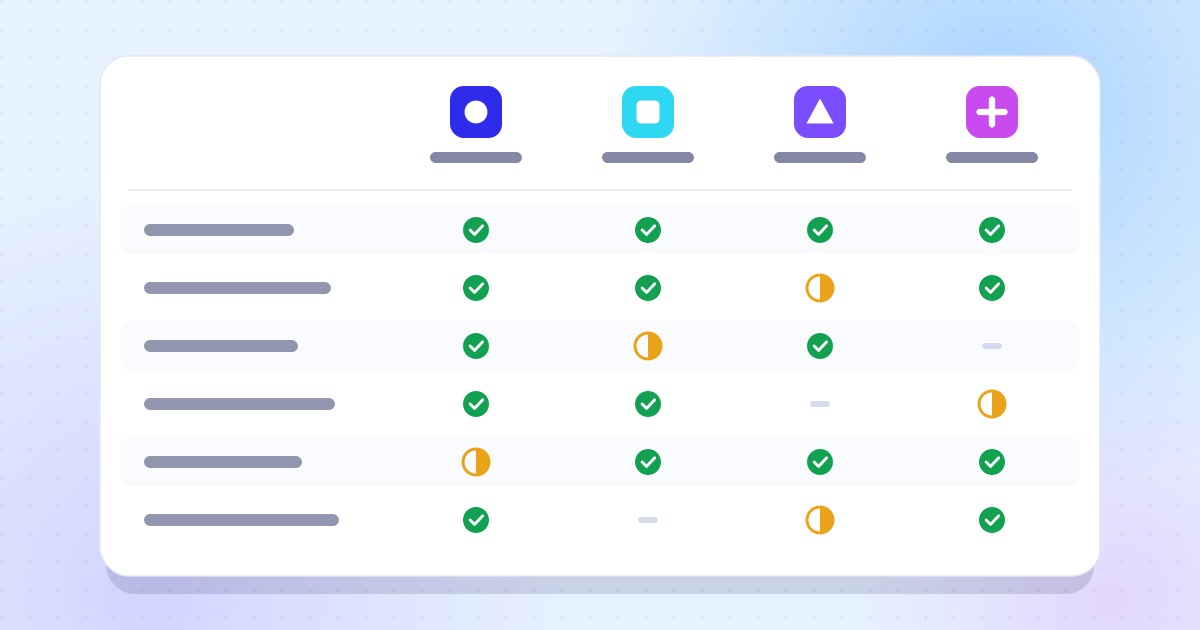
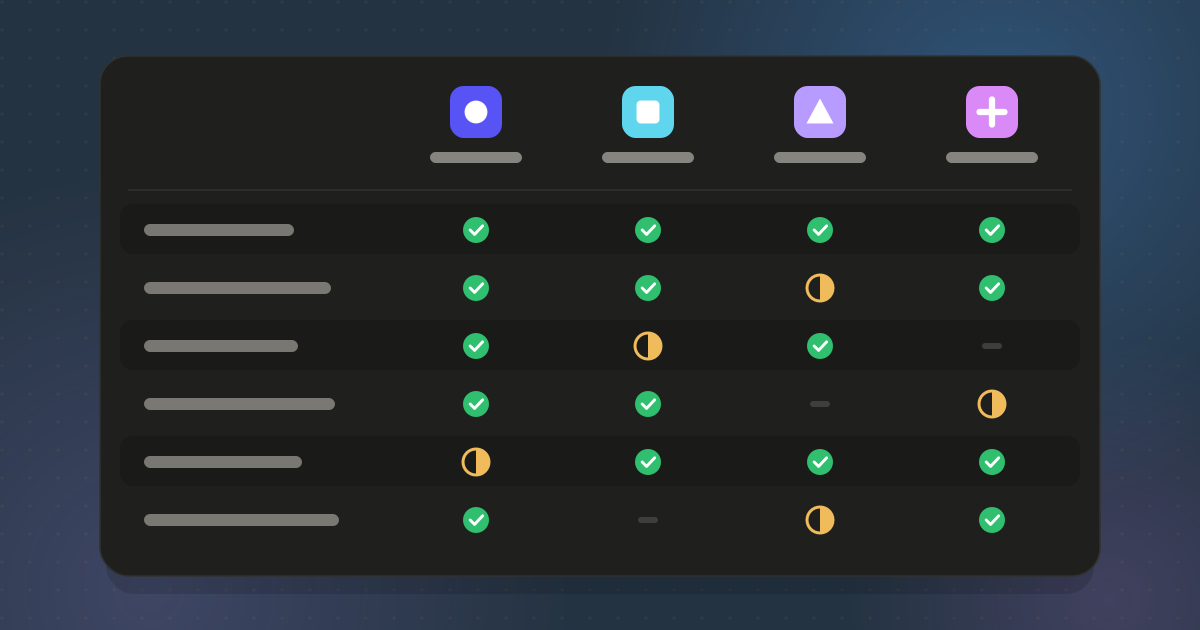
Six tools compared on the engines they track, the number of prompts, public prices and countries, with the source and date of every figure.
You can decline: the whole site stays available.
Remembers your theme choice and your cookie choice.
Pages viewed, referrer, device; aggregated statistics.
